
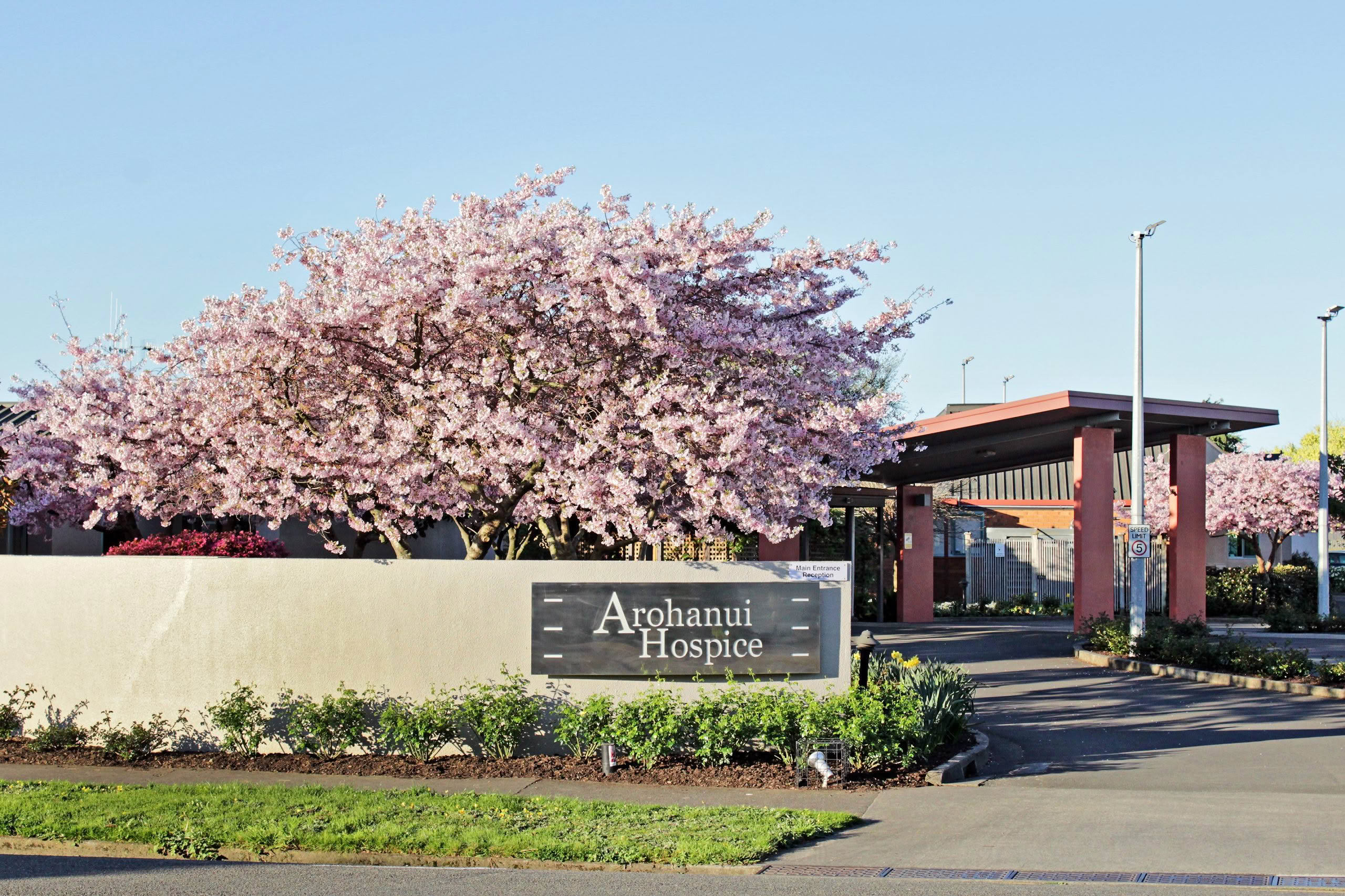
Arohanui Hospice was a game-changer, for Norris Beaman and Sharon Morrah of Feilding.
Norris, a former Navy diver and oil rig worker, was diagnosed with a rare form of salivary gland cancer, myoepithelial carcinoma, in January 2025. Getting the diagnosis had left the couple exhausted and bewildered; Norris first noticed persistent ear ache in September 2024, ear ache that didn’t let up.
Finding out what was going on was a marathon. The initial idea was that Norris might have temporal mandible joint disorder. Useful to have a name, but a holiday in Australia saw Norris carrying increasing pain. That was frightening, in a foreign health system. They tried acupuncture. The acupuncturist said there was inflammation and the acupuncture offered Norris temporary relief.
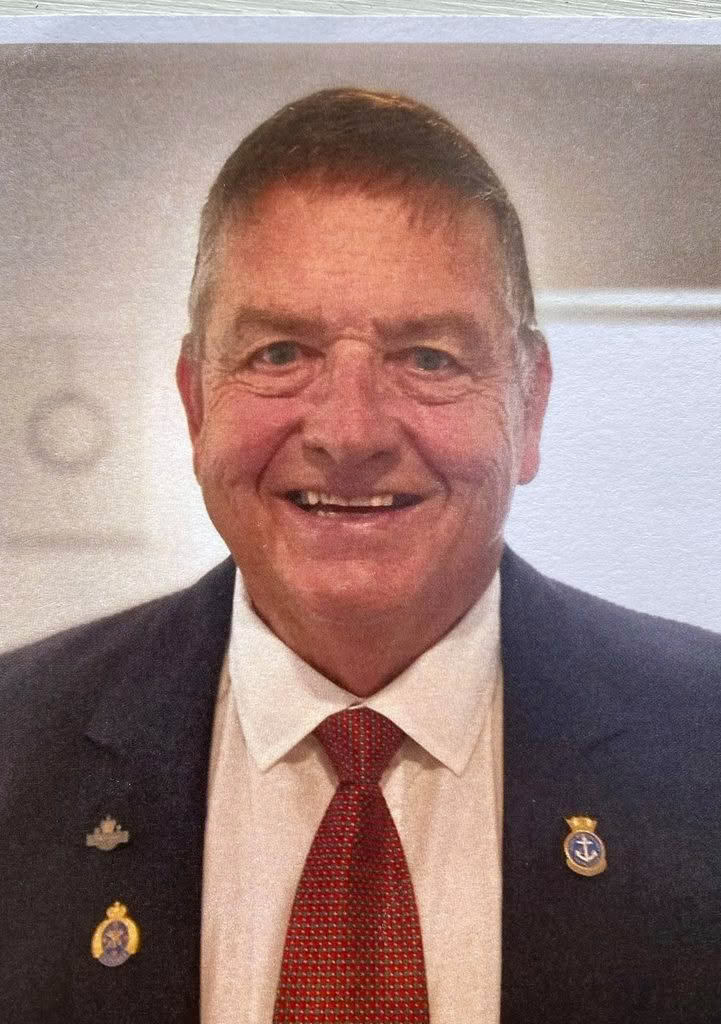
Back at home, Norris’s doctor referred him to an ear, nose and throat specialist. It was November — first available appointment was February. He had an x-ray, which showed nothing unusual.
By December, increasing pain drove him to a dentist who told him his teeth were fine but, concerned about the pain’s severity and history, referred him to an oral surgeon. The oral surgeon referred him for an MRI scan.
“We didn’t actually get a date for that, just knew it would be in the New Year sometime,” said Sharon. “But that oral surgeon phoned Norris that night, said he was worried about him, and urged him to go to Accident and Emergency at Palmerston North Hospital.
“Friday night.” Sharon said it with the knowledge of somebody who knows about ED wait times. Norris’s wait time was 21 hours, even with a referral from the oral surgeon, but it also got him a scan. That found a tumour in his salivary gland. Sharon described his pain levels as “horrendous” so Norris was hospitalised. A biopsy confirmed cancer, but not what type. He was referred to Wellington for more scans on December 23, just before Christmas, but when they arrived they found the paperwork hadn’t. The scan couldn’t be done because medications needed to be ordered beforehand.
“So, Christmas, he was in pain, nobody was happy… we gathered the family.” The family was Sharon’s two sons and six grandchildren — grandchildren who had only ever known Norris as their favourite Poppa. Everyone tried hard; Norris dressed up in a yowlingly loud Christmas-themed shirt and the family had a nice celebration… but with question marks hanging over it.
More muddles in the New Year; January 8 saw a Wellington specialist contact them to inform them that he was intending to operate on the tumour, but Norris still hadn’t had the necessary scan. Then they found the cancer had metastasised to his T11 vertebrae, and there were tiny tumours starting in his lungs. It was too late to operate.
“We still didn’t know what sort of cancer it was,” Sharon said. “Another biopsy, behind his ear, and in late January we found out about the myoepithelial carcinoma. The cancer expressed the herceptin protein, the same as in women’s breast cancer, but Herceptin to treat it wasn’t funded for his type of cancer.”
Palliative radiation treatment was suggested, but Norris’s heart wasn’t happy. His legs swelled alarmingly because his heart function dipped to 39 percent effective. Medication to help his heart lifted it, and he started the radiation treatment in May 2025. Privately funded chemotherapy also started at Crest Hospital in October 2025, but after an initial improvement he stopped this in January 2026 because it just wasn’t working.
“Palliative, not a cure.” Sharon said. “It was so disappointing.”
In early February 2026, they asked about prognosis. More than days, they were told, probably a short number of weeks.
“That was February 9, and his birthday was on March 16. I had a feeling he wasn’t going to make it.”
They remembered that earlier on, somebody had talked about the Hospice. They visited the Hospice, to ask what was happening. Norris was in pain, and things were not good.
That Hospice visit and subsequent referral changed everything for Norris and Sharon.
“Julia from the Hospice came to see us in March 2025, and suddenly, everything changed. Doctors’ visits became free, the Hospice guided his medications, we had access to a 24/7 helpline that actually gives you help.” Sharon said. “They got his medications balanced and the pain under control, and we had people to talk with who knew what we were going through.”
Then he had a seizure and fell over in the bathroom. Sharon realised how far things had gone. She called an ambulance and the Hospice, and Norris told her he didn’t want her to have to nurse him at home, it just wouldn’t be fair. At the Hospice, he was relaxed and chatting with family and then he went to sleep and died peacefully on February 15 — with Sharon and his Valentine’s Day flowers beside him.
“I know some people are scared about the Hospice, but they don’t understand how amazing it is,” Sharon said. “We didn’t use a lot of the services, we didn’t have Norris go there for day stays for instance. But when we were with the Hospice, all the services we needed — and we didn’t know we needed them — they were suddenly there, seamlessly. The District Nurses to help us at home, the social worker who sorted out a disability car park for us, the grief counselling session for me afterwards… just everything.
“So don’t be scared about the Hospice. It’s a game changer.”
